Deep tissue vs relaxation massage: how to pick
The quick answer
Pick by what you want from the hour, not by which one sounds more serious. Relaxation massage is slower, lighter work across the whole body. Deep tissue is firmer, more specific work that usually stays in one or two regions. At our clinic they cost the same, $125 for 60 minutes, and plenty of sessions blend both.
What is the actual difference on the table?
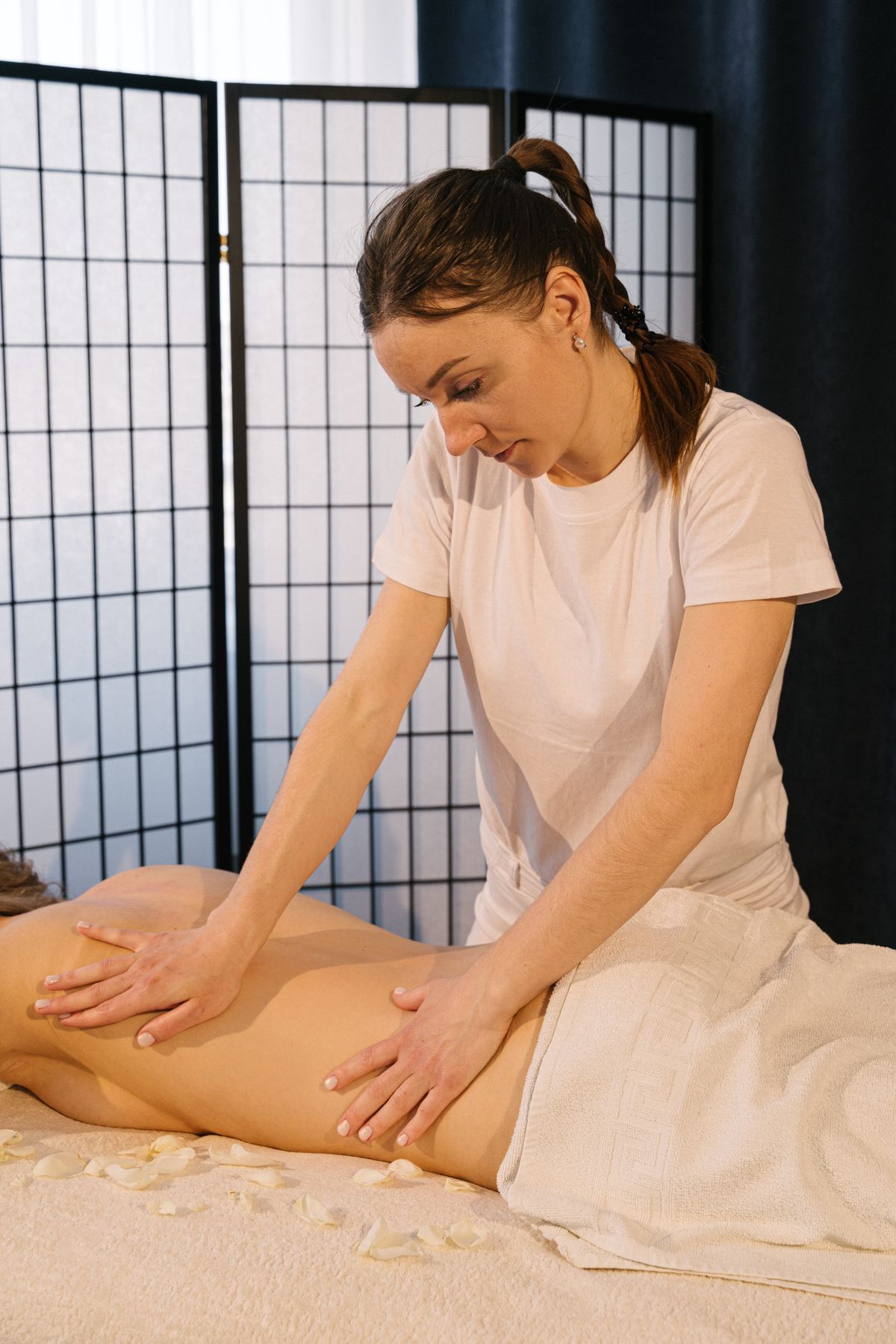
The difference is pace and depth, not equipment or ceremony. In a relaxation session your therapist works lighter and keeps moving, covering the whole body in long, connected strokes. The point is the overall experience of slowing down. In a deep tissue session the work is slower and more deliberate: the surface layers get warmed up first, then the pressure goes further into the muscle, usually concentrating on the places you pointed at during the intake conversation.
Everything else stays the same, from the table and the draping down to the check-ins on pressure and the receipt for your benefits claim at the end.
Which one should I book if I sit at a desk all day?
Honestly, either, and the intake conversation is where we sort it out. If your neck and shoulders feel like they have been carrying the commute, firmer and more specific work in that region is usually what people are asking for, which is deep tissue territory. If the week has been long and the goal is simply an hour where nobody needs anything from you, book relaxation and let the whole body have it.
A useful question to ask yourself: do I want this massage to focus somewhere, or do I want it to cover everywhere? Focus points toward deep tissue. Everywhere points toward relaxation.
Does deep tissue cost more than relaxation massage?
Not here. Every session on our menu is priced by length, not by style: $70 for 30 minutes, $95 for 45, $125 for 60 and $170 for 90. You are paying for a registered massage therapist's time, and how they work within it is planned around you. Some clinics do charge a premium for deep tissue, so if you are comparing prices around Burlington, check whether the number you see is for the style you want.
Can I get both in one session?
Yes, and it is one of the most common requests we hear once people know it is allowed. A typical blend is twenty minutes of specific, firmer work on the neck and shoulders, then the rest of the hour as slower full-body work. Your therapist can also change the plan partway through. If the deep work has done its job early, the session can soften from there, and the reverse is true too.
How do I tell my RMT what I want?
Say it plainly at the start, and keep saying it during. "Firmer" and "lighter" are complete sentences on the table, and so is "stay there longer". Deep tissue should never be a test of endurance. Firm work can feel intense, but pain is not the goal, and your therapist eases off the moment you ask. If you finish a session feeling like you had to brace through it, the pressure was wrong, and we would rather hear that in the room than read it in a review.
Still unsure? Book a 60 minute session and decide in the intake conversation. The session menu shows every price up front, and our deep tissue page covers what firmer work involves.