From the owner's notebook
Storm damage insurance claims: what your adjuster needs from your roofer
The quick answer: your adjuster needs two documents from your roofer. A dated photo report that separates storm damage from ordinary wear, and a written scope with a price for putting it right. Get both before you finalize anything on the claim.
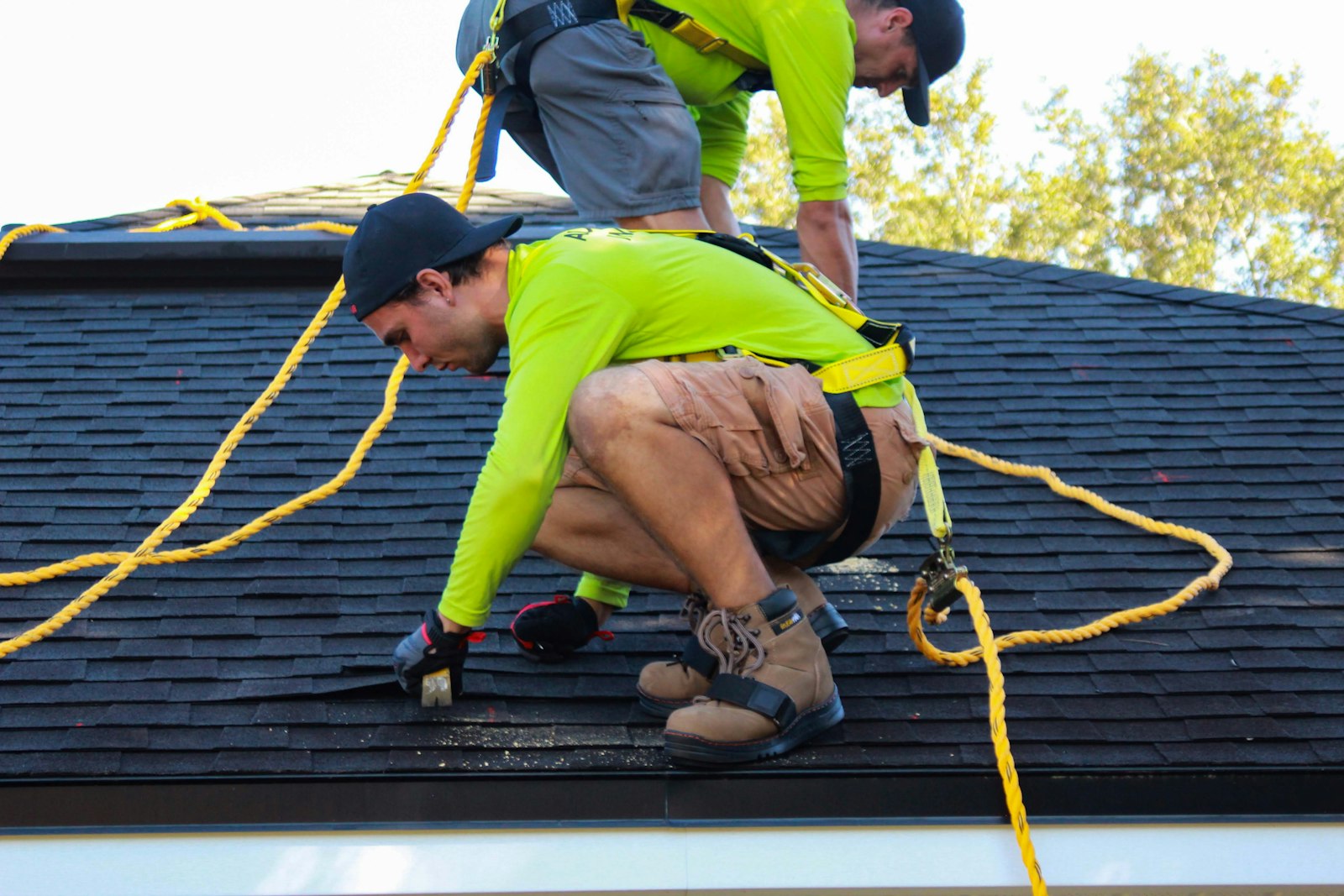
What does the adjuster actually need from your roofer?
Documentation that separates what the storm did from what time did. Insurers cover sudden damage, not wear, so the photo report has to make that line obvious. Ours pairs dated photos taken close to the storm with slope-by-slope notes on where shingles lifted or left, right down to close-ups of creased tabs and exposed nail lines. Alongside the photos, the adjuster needs a written scope and price for the repair, itemized enough that nothing gets argued about later.
We write ours the way insurers ask for them, and we will meet the adjuster on your roof if you want us there. You stay in charge of the claim. Our job is to make sure the roof damage is recorded properly so nothing gets missed.
What should you do in the first 24 hours after the storm?
Photograph everything from the ground and call your roofer before the evidence blows away. Shingles in the yard are proof, so photograph a few where they landed and keep one or two in the garage. Write down the date and rough time of the storm while it is fresh. If water is getting in, call us at (705) 555-0163 and we will tarp first and sort paperwork second.
One warning from experience: after a big blow, out-of-town trucks appear on hard-hit streets offering to handle everything if you sign on the doorstep. Never sign over control of your claim to anyone standing on your porch. A local roofer will still be here when the warranty matters.
Will insurance cover a full replacement or just the damaged section?
It depends mostly on whether your shingles can still be matched. If the damaged shingle is discontinued and nothing blends, many policies cover replacing the full slope or more, but every policy reads differently. We document our matching attempts either way, because that paperwork is often the difference between a patch approval and a slope approval.
What if the damage does not justify a claim?
Then we tell you that straight, before you call your insurer. A $450 repair is usually smarter than a claim that sits below your deductible and still lands on your claims history. Run the math with us first: repair price against deductible, plus what a claim does to your renewal. About half the storm calls we inspect end with a small repair and no claim at all.
How quickly should you report the damage?
Report it promptly and document it immediately, because the two are not the same job. Most policies expect you to notify the insurer within a reasonable time and to prevent further damage in the meantime, which is what the tarp is for, and tarping is covered work under most policies. The photos matter more than the phone call though. Wind-lifted shingles reseal in the sun and creases fade to the eye, so evidence photographed the week of the storm is worth far more than the same roof photographed in a month.
Wind finds the lake-facing streets first. If you are in Bridgenorth or up in Lakefield, we can usually get eyes on your roof within a day or two of a storm. Booking starts with the free inspection.