People usually ask me what osteopathy is while they are still on the stairs, slightly out of breath, half expecting a sales pitch. This is the answer I give with a kettle on. It takes about five minutes.
What actually happens in a session?
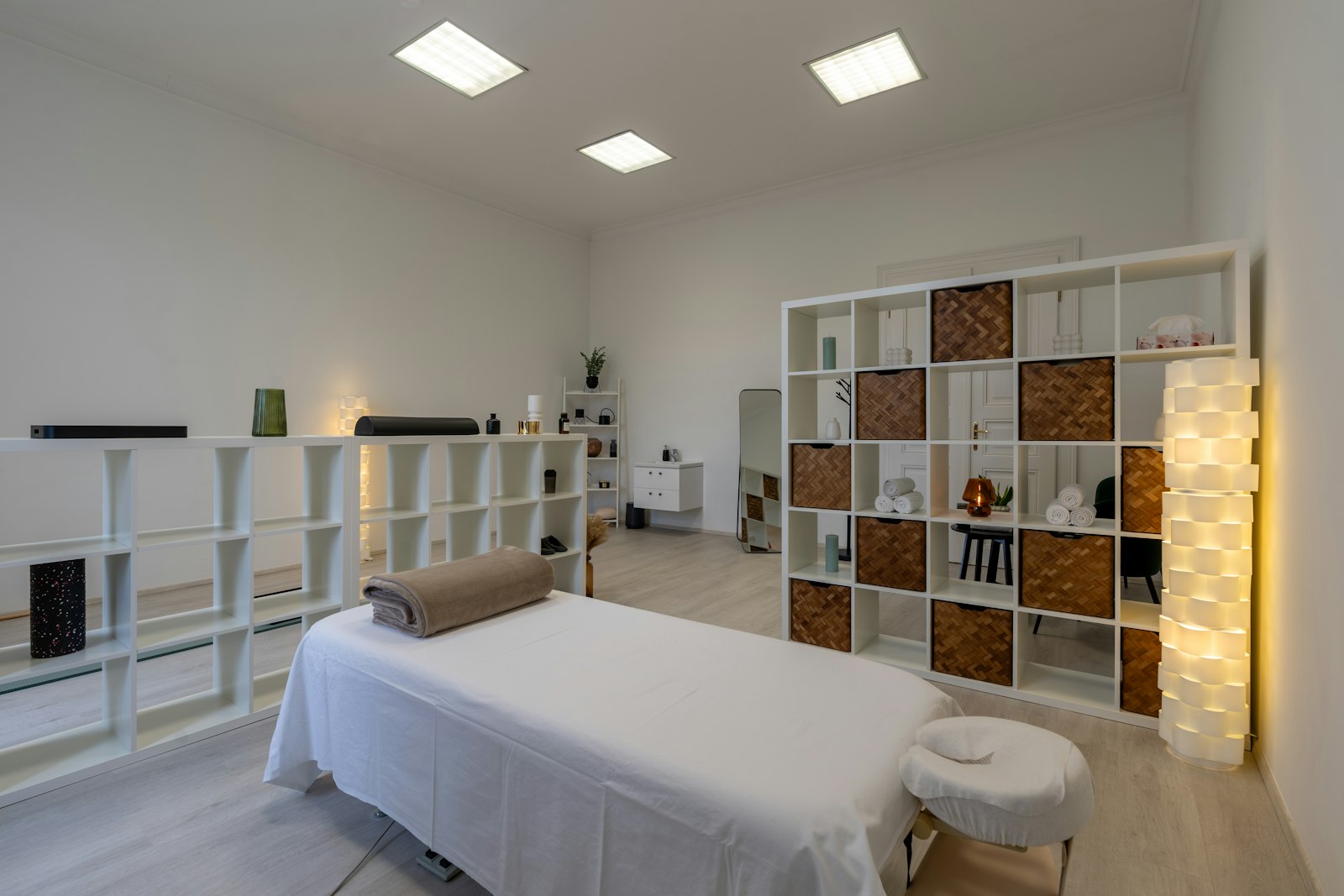
You talk first, then you lie or sit comfortably while I work with slow, deliberate pressure and gentle movement. The first part of any visit is a proper conversation about what brings you in and the history behind it, because the history usually explains more than the sore spot does. Then comes a whole-body assessment: I watch how you stand and move, and I use my hands to feel where your body is holding tension. Treatment happens in the same visit, through light and loose clothing, and I tell you what I am doing before I do it. Nothing happens without your okay.
Why the whole body, and not just the sore spot?
Because the place that aches and the place that is working too hard are often two different places. A neck that will not let go is frequently doing overtime for an upper back that stopped helping months ago. If I only ever worked on the spot that hurts, I would be quietly ignoring the reason it hurts. So the assessment looks wider on purpose, and the treatment follows the assessment. I wrote more about how that plays out for the most common thing I see on the back and neck tension page.
Is osteopathy the same as massage?
No, though the two get mistaken for each other because both involve hands and a table. Massage therapy works primarily with soft tissue, usually directly on the skin, and it is a regulated profession in Ontario. My work happens through your clothing, is generally lighter, and spends as much time assessing as treating. Some people see both a massage therapist and me for different reasons, and that is sensible, not indecisive.
Is a manual osteopathic practitioner a doctor?
No, and anyone in my line of work who lets you believe otherwise is doing you a disservice. In some countries, osteopath means a physician with extra training. In Ontario, manual osteopathic practitioners like me are not physicians and do not diagnose disease. That is exactly why every first visit at my studio starts with a screening conversation, and why I will tell you plainly if what you describe belongs in a doctor's office first. Osteopathy sits alongside your medical care. It does not replace it.
What does osteopathy cost in Hamilton?
At my studio a first treatment is $130 and follow-up visits are $95, as of May 2026. The first visit runs a full hour and follow-ups run 45 minutes. Many extended health plans include osteopathy, and you get a receipt for every visit; whether your plan reimburses it depends on the plan, which is worth checking before you book. There are no packages and there is no pressure to buy anything beyond the visit you came for.
How do you know if it is for you?
Honestly, you find out by coming in once and deciding with real information. The list of what people come in with is a good place to see whether your situation sounds familiar. If after the first hour I think osteopathy is not the right fit for what you brought in, I will say so and point you toward the professional I would send my own family to.