I get asked this at least once a week, usually with an apologetic look, as if comparing me to my neighbours were rude. It is not rude. It is the right question, and you deserve a straight answer from someone who is one of the three options.
What do the three professions have in common?
More than any of us usually admit. All three assess how you move, use their hands as a primary tool, and see a lot of the same complaints. Backs and necks that have had enough of desks. Bodies rebuilding after an injury. People who simply want to move better than they currently do. For plenty of situations, a good practitioner from any of the three professions is a reasonable place to start, and many people see more than one for different reasons.
What does a physiotherapist do?
Physiotherapists assess and treat movement problems, and their signature move is pairing hands-on treatment with exercise-based rehabilitation you do between visits. Physiotherapy is a regulated health profession in Ontario with university-level clinical training behind it. If your situation calls for a structured rebuilding program, after surgery for instance, a physiotherapist is very often the right first call. I have told people exactly that on their first visit with me, and I will keep doing it.
What does a chiropractor do?
Chiropractors are best known for joint adjustment, the quick, precise movements people associate with the audible crack. Chiropractic is also a regulated health profession in Ontario, and many chiropractors work well beyond the stereotype, with soft-tissue work and rehabilitation advice in the mix. If direct joint adjustment is what your body responds to, a good chiropractor does that with more training in it than anyone else on this list.
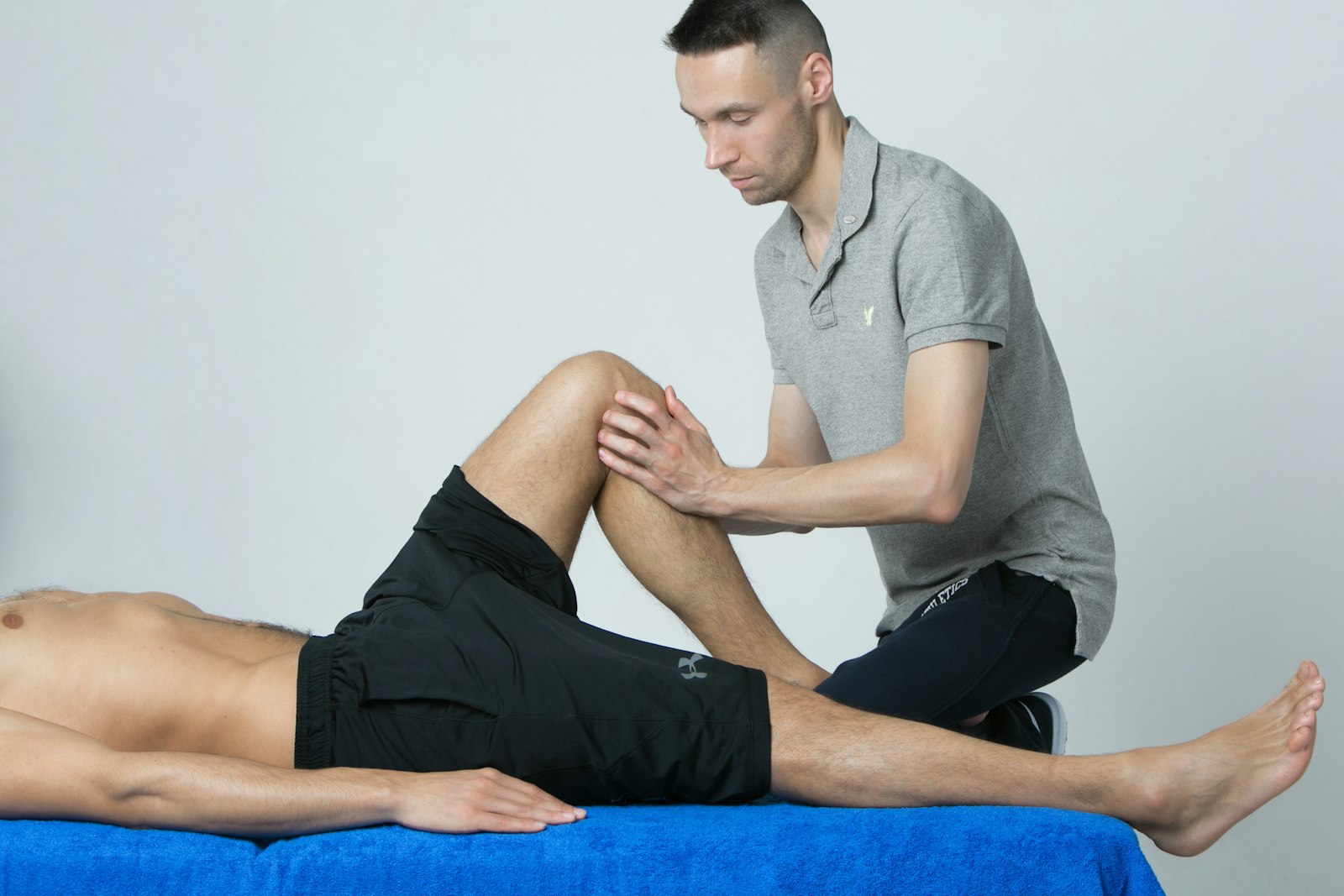
What does a manual osteopathic practitioner do?
I work gently across the whole body with soft-tissue techniques and slow joint mobilization, looking for how the whole system is sharing load rather than treating one spot in isolation. Sessions happen through light clothing, there is no cracking in my studio, and everything is explained as it happens. Here is the part most comparisons skip: in Ontario, manual osteopathy is not a regulated health profession, and I am not a physician. That is not fine print to me. It is on the front page of my website, and it is why every first visit starts with screening rather than treatment.
Which one should you choose?
Choose based on what your situation needs, not on loyalty to a profession. If you need a diagnosis, start with a doctor. If you need a structured exercise program, physiotherapy is a strong first stop. If precise joint adjustment has served you well, see a chiropractor. If what draws you is slow, gentle, whole-body work where you are talked through every step, that is what I do all day, and the postural strain page shows what that looks like for the most ordinary case I see. If you arrive at my studio and I think one of the other two fits you better, you will hear it from me in plain words.
Does insurance treat them differently?
Often, yes. Physiotherapy and chiropractic are commonly covered lines in extended health plans, while osteopathy usually sits in the paramedical category with its own smaller maximum, and OHIP covers none of the three in a private clinic setting for most adults. I wrote a separate plain-language post on how osteopathy coverage works in Ontario, including how to check your own plan in about ten minutes.